← Back to Newsletter Archive

Greetings!

Welcome to the QPS Pharmacology Newsletter


This month, discover more about wound healing studies and models at QPS, explore more about QWBA studies, and stay ahead of the curve with the latest scientific breakthroughs on the QPS blog.


Wound Healing Studies at QPS


Chronic wounds like diabetic ulcers, pressure sores, and venous ulcers affect millions of people worldwide. 


Wound healing is a complex, multi-phase biological process involving inflammation, proliferation, and tissue remodeling.


Our pharmacology models are designed to replicate these distinct stages and to assess candidate interventions that modulate inflammation, angiogenesis, collagen deposition, and epithelial repair.


Quantitative Whole-Body Autoradiography (QWBA)

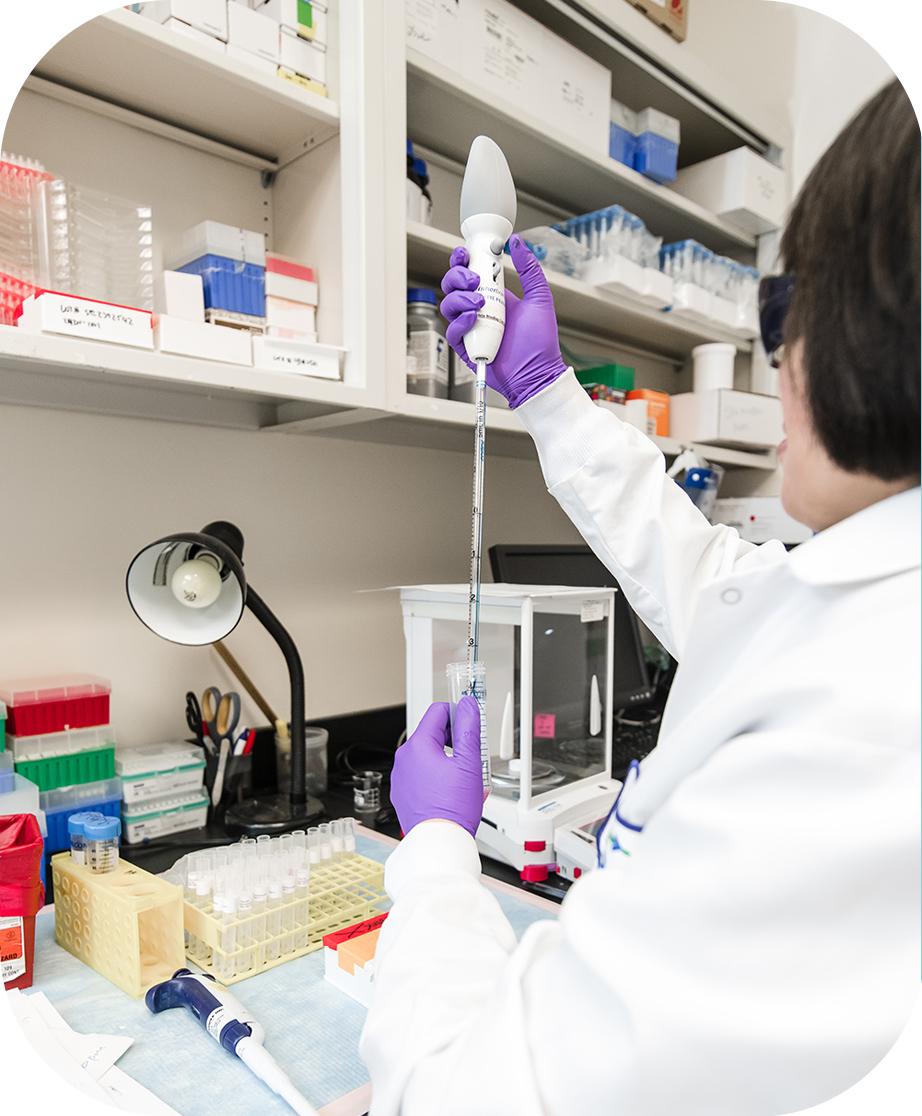
QPS offers comprehensive drug development studies, including QWBA, which maps the distribution of radiolabeled compounds in preclinical species.


This technique helps predict human exposure and supports ADME profiling, a key requirement for New Drug Application submissions.


Regulatory agencies mandate these studies to ensure drug safety.


All QWBA studies are done in the QPS DMPK labs in Newark, Delaware, USA


Download the White Paper


Choosing the Right Imaging Method to Produce Tissue Distribution Data

Discover the Future of Science on the QPS Blog

Using AI to Improve Wound Healing


Medical wearables — devices worn by individuals outside of a traditional healthcare setting — can be empowering for patients who may lack immediate access to a healthcare facility. Whether the patient lives in a remote area, has limited mobility, or is simply too busy for numerous trips to the doctor’s office, sophisticated wearable technology can have a major impact on individual health outcomes.


How an “AI Physician” Monitors and Diagnoses

Pharmacology Services at QPS

Risks and Rewards: The Keto Diet Conundrum


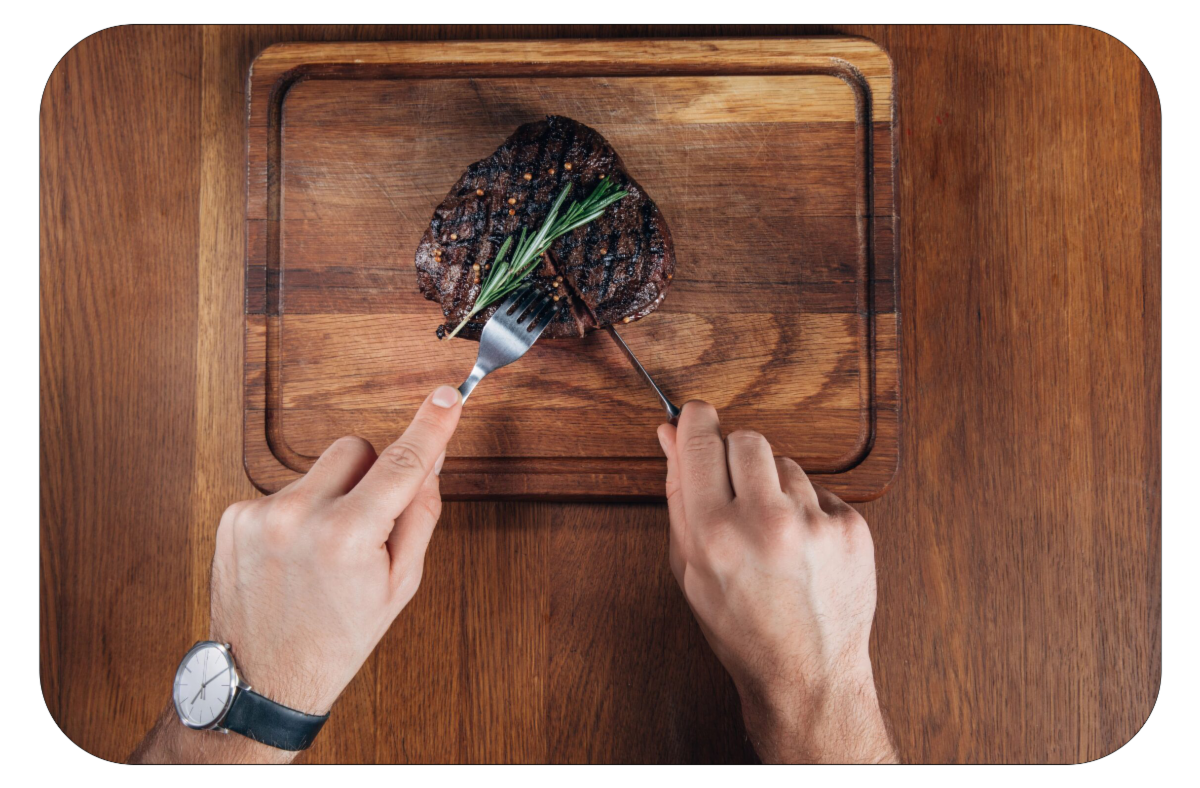
The ketogenic diet turns conventional nutrition advice upside down. Instead of limiting fats, it encourages them — while slashing nearly all carbohydrates. The result is a dramatic metabolic shift: with sugar largely unavailable, the body begins breaking down fat into ketone bodies for energy. This switch often leads to rapid weight loss, helping explain why the diet has become so popular.


From Medicine to Mainstream

Obesity Research at QPS

Connect with the Experts at QPS


Request a meeting with the QPS bioanalysis, preclinical and clinical research experts to learn more about our capabilities as a full-service, global CRO. 

Visit our website www.qps.com 

or contact us at infopr@qps.com

for an appointment.

Linkedin  Youtube  X  Facebook  

www.qps.cominfopr@qps.com

We use your email address exclusively for sending QPS newsletters with a special e-mail program. If you no longer wish to receive any mailings, simply use the "unsubscribe" link at the bottom. If you don't unsubscribe, we assume that this consent also applies to the system of the GDPR. (Data protection notice: According to Art. 7 GDPR, the consent can of course also be withdrawn at any time after May 25, 2018.)
← Back to Newsletter Archive