

What if some of the most stubborn diseases could be treated not by blocking harmful proteins, but by removing them altogether? Early research investigating the use of engineered nanoparticles to destroy disease-causing proteins suggests this approach has potential.
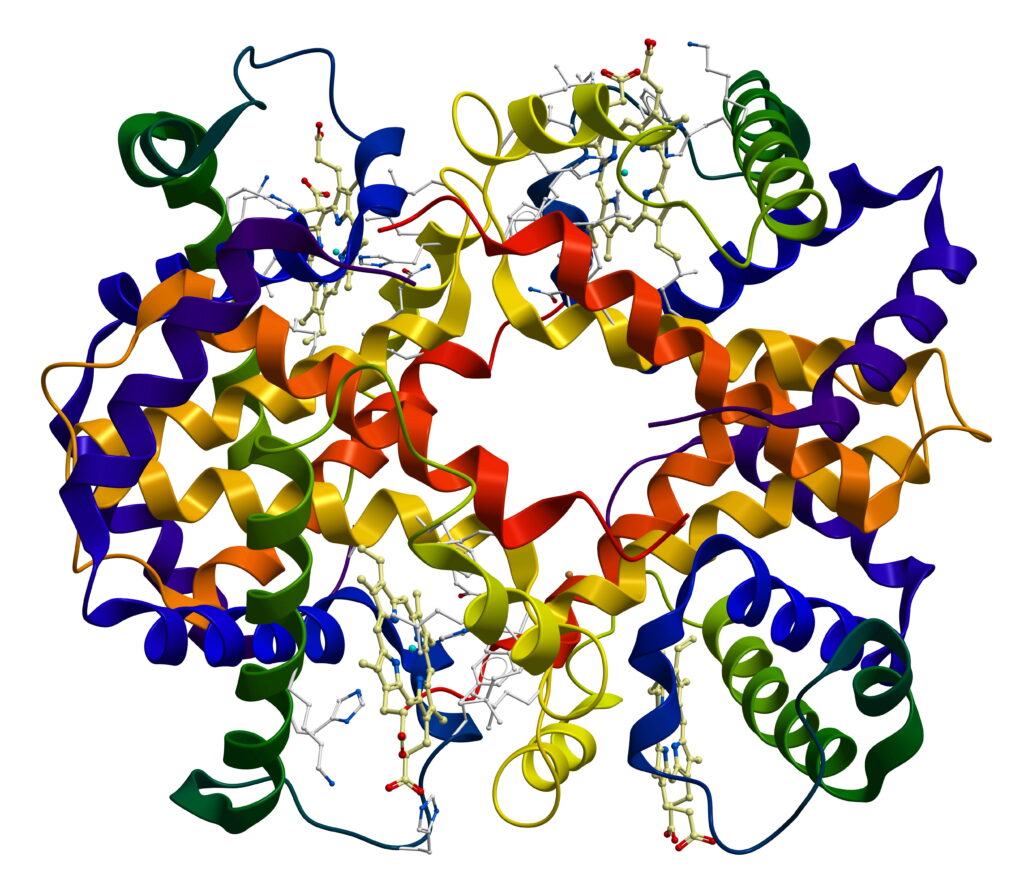
When Proteins Go Rogue
Proteins are the molecular workhorses of life, shaping everything from cell signaling to immune defense. When proteins are altered, misplaced, or produced in excess, however, they can wreak havoc. “Many conditions, including cancer, dementia and autoimmune disorders, are driven by abnormal proteins, and some have shapes or behaviors that make them particularly resistant to drug treatments,” said Bingyang Shi, Chair Professor in Nanomedicine at the University of Technology Sydney (UTS). Shi led the research with collaborators Kam Leong of Columbia University and Meng Zheng of Henan University.
Breaking Through Existing Limits
Protein degradation therapies have drawn enormous attention, with major pharmaceutical investments and billion-dollar partnerships. Yet progress has been uneven. Many existing tools struggle to reach certain tissues, including the brain. Others risk damaging healthy proteins or require complex, case-by-case engineering that slows development. According to Shi, “Our nanoparticle-based strategy overcomes these bottlenecks.”
The strategy uses a modular approach, tailoring engineered nanoparticles called nanoparticle-mediated targeting chimeras (NPTACs) to specific proteins. By swapping surface ligands, researchers can retarget the same nanoparticle framework to different disease proteins. Just as importantly, the approach works both inside and outside cells, vastly expanding the range of proteins that can be addressed.
Why Nanoparticles Matter
Nanoparticles have long been explored as drug delivery vehicles. The new perspective urges scientists to think bigger. Rather than acting as passive carriers, nanoparticles can function as active therapeutic agents that directly engage disease biology.
The researchers highlight several advantages of the NPTAC approach, including tissue-specific targeting, the potential to cross the blood–brain barrier and compatibility with materials already familiar to regulators. The system can also be integrated with diagnostic functions, enabling therapies that both detect and dismantle disease drivers.
Early Proof, Big Ambitions
Preclinical studies have already shown promising results against well-known disease targets such as EGFR, a major cancer growth signal, and PD-L1, a protein tumors use to evade immune attack. For Shi, the implications extend far beyond oncology. “This progress paves the way for applications in oncology, neurology and immunology,” he said. “It changes how we think about nanoparticles—not only as delivery tools but also as active therapeutic agents.”
With the market for targeted protein degradation projected to exceed $10 billion by the end of the decade, the team is now looking ahead to partnerships, clinical translation and regulatory pathways. “We are now seeking strategic industry partners to accelerate clinical development, license applications across therapeutic fields and prepare for regulatory approval,” Shi said.
A More Optimistic Horizon
The idea of clearing harmful proteins from the body once sounded implausible, especially for diseases of the brain and immune system. With NPTACs, those limits may be shifting. By harnessing the body’s own disposal systems—and giving nanoparticles a more active role—researchers are sketching out a future where even long-elusive disease drivers can be tackled head-on.
Did you enjoy this blog post? Check out our other blog posts as well as related topics on our Webinar page.
QPS is a global, full-service, GLP/GCP-compliant contract research organization (CRO) delivering the highest grade of discovery, bioanalysis, preclinical and clinical drug development services. Since 1995, QPS has grown from a small bioanalysis shop into a full-service CRO with 1,200+ employees in the US, Europe, Asia and India. Today, QPS offers expanded pharmaceutical contract R&D services with special expertise in pharmacology, DMPK, toxicology, bioanalysis, translational medicine, PBMC processing, central safety labs, clinical trials, and clinical research services. An award-winning leader focused on bioanalysis and clinical trials, QPS is known for proven quality standards, technical expertise, a flexible approach to research, client satisfaction, turnkey laboratories, Phase I/II clinical units, and multi-site clinical research services. Through continual enhancements in capacities and resources, QPS stands tall in its commitment to delivering superior quality, skilled performance, and trusted service to its valued customers. For more information, visit www.qps.com or email info@qps.com.