



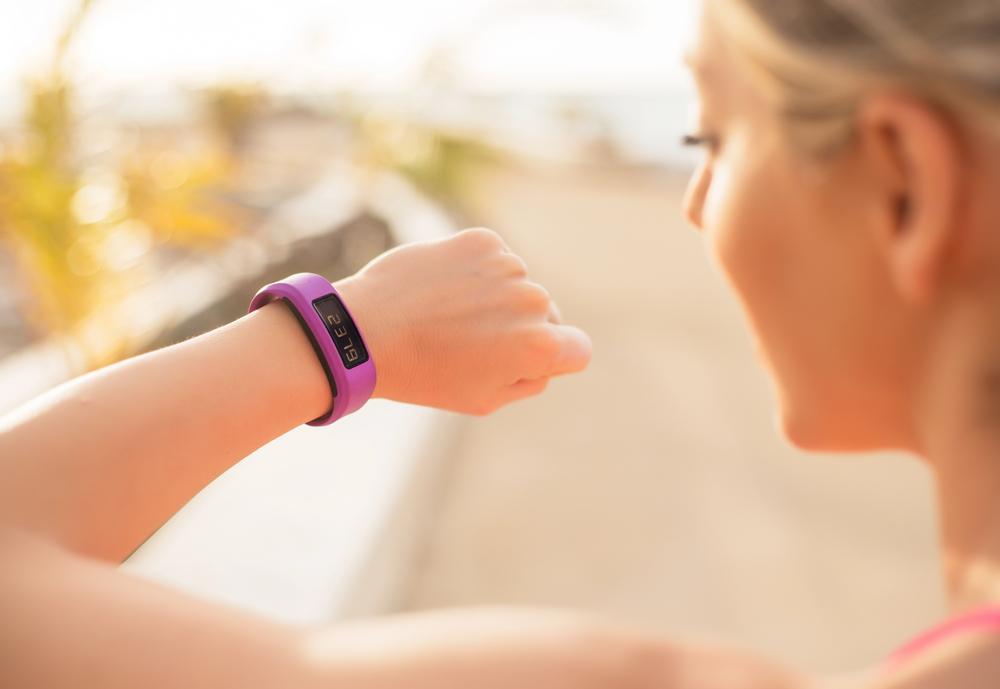
Emerging evidence suggests that data already captured by consumer wearables can detect early metabolic dysfunction long before standard clinical tests raise alarms. By combining smartwatch signals with routine health data, researchers have developed a machine-learning approach that identifies insulin resistance—a key precursor to type 2 diabetes—with striking accuracy.
A Hidden Condition With High Stakes
Insulin resistance affects an estimated 20 to 40 percent of US adults, yet most people don’t know they have it. The condition develops when cells become less responsive to insulin, forcing the body to work harder to regulate blood sugar. Because blood glucose can remain within normal ranges during this early phase, the problem often goes undetected until damage is already underway.
Early detection is critical. “If we can identify people when they are insulin resistant, we can change the whole trajectory of diabetes,” said Ahmed Metwally, a bioengineer at Google Research. Yet traditional diagnostics rely on specialized tests that are not routinely performed in clinical practice, leaving a major gap in early screening.
Turning Everyday Data Into Clinical Insight
To close that gap, researchers launched the WEAR-ME study, analyzing data from 1,165 participants who wore Fitbit or Pixel devices. The team combined tens of millions of hours of wearable data—tracking heart rate, sleep and activity—with demographic information and standard lab results such as cholesterol and glucose levels.
The researchers used the data to train deep neural networks against a validated clinical measure of insulin resistance, the homeostatic model assessment of insulin resistance (HOMA-IR). In the study results, published in Nature, researchers identified patterns that signal metabolic strain. The approach reflects a shift from snapshot-style clinical testing to continuous physiological monitoring.
“By drawing on continuous signals from daily life, the authors’ approach highlights physiological strain that is invisible to episodic testing,” explained Christopher Hartshorn of the National Institutes of Health in a News & Views article that accompanied the study.
This continuous data captures subtle fluctuations in metabolism—variations that traditional clinic visits, conducted under controlled conditions, may miss entirely.
Boosting Accuracy with Wearable Data
The study’s predictive models demonstrated strong performance across multiple configurations. Using only routine clinical data—such as fasting glucose, lipid panels and body mass index—the model correctly identified insulin resistance about 76 percent of the time. When wearable data streams were added, performance improved significantly, reaching approximately 88 percent accuracy.
Resting heart rate emerged as one of the most informative signals, while activity levels and sleep patterns also contributed to predictive power. Even though wearable measurements can vary in precision, their continuous nature added meaningful insight.
The researchers further enhanced the model using a pretrained wearable foundation model built on 40 million hours of sensor data. This allowed the system to better interpret time-series patterns and improved accuracy in independent validation cohorts. The result is a multimodal framework capable of detecting insulin resistance earlier and more efficiently than any single data source alone.
A Scalable Path to Early Intervention
The implications extend far beyond improved diagnostics. Because smartwatches and fitness trackers are already widely used, this approach could enable large-scale screening without requiring new infrastructure or invasive testing.
“This study establishes a scalable method … for early detection of metabolic risk,” said endocrinologist David Klonoff of the Diabetes Technology Society.
Earlier identification could open the door to interventions that prevent disease progression. Lifestyle changes—such as diet, exercise and weight management—are known to slow or even reverse insulin resistance. Pharmacologic options, including GLP-1 therapies, may further support metabolic improvement when applied early.
Giorgio Quer of the Scripps Research Translational Institute sees even broader potential: “The possibility of continuously, longitudinally and passively monitoring metabolic health through wearables, especially when powered by [AI] models, represents an exciting opportunity toward a more personalized and scalable model of digital medicine,” he said.
Toward a New Model of Preventive Medicine
The study highlights a fundamental shift in how disease risk may be identified and managed. Rather than relying on periodic clinical snapshots, continuous monitoring offers a dynamic view of health—capturing early warning signs as they emerge.
While further validation is needed before clinical adoption, the framework demonstrates that consumer-grade devices can yield clinically meaningful insights when paired with advanced analytics.
As these tools evolve, they may transform routine wearables into powerful instruments of preventive care—quietly tracking metabolic health and flagging risk before symptoms appear. The path forward points toward a future where early detection is not an exception but a constant, built seamlessly into daily life.
_____
Did you enjoy this blog post? Check out our other blog posts as well as related topics on our Webinar page.
QPS is a global, full-service, GLP/GCP-compliant contract research organization (CRO) delivering the highest grade of discovery, bioanalysis, preclinical and clinical drug development services. Since 1995, QPS has grown from a small bioanalysis shop into a full-service CRO with 1,200+ employees in the US, Europe, Asia and India. Today, QPS offers expanded pharmaceutical contract R&D services with special expertise in pharmacology, DMPK, toxicology, bioanalysis, translational medicine, PBMC processing, central safety labs, clinical trials, and clinical research services. An award-winning leader focused on bioanalysis and clinical trials, QPS is known for proven quality standards, technical expertise, a flexible approach to research, client satisfaction, turnkey laboratories, Phase I/II clinical units, and multi-site clinical research services. Through continual enhancements in capacities and resources, QPS stands tall in its commitment to delivering superior quality, skilled performance, and trusted service to its valued customers. For more information, visit www.qps.com or email info@qps.com.