



After more than two decades without a human vaccine for Lyme disease, a new candidate is showing measurable progress. Clinical trial data reported by Pfizer and Valneva indicate that their vaccine reduced Lyme disease cases by approximately 70 percent compared to the placebo.
The candidate, known as LB6V, represents the most advanced effort since the withdrawal of LYMErix in 2002. That earlier vaccine demonstrated similar efficacy but was ultimately removed from the market amid low demand and concerns about side effects, which were later shown to be unsupported.
Lyme disease remains a growing public health concern. In the United States alone, an estimated 476,000 people are diagnosed and treated each year, and the geographic range of disease-carrying ticks continues to expand as environmental conditions shift.
Against that backdrop, the new vaccine could offer a long-sought preventive tool, particularly for people regularly exposed to tick habitats.
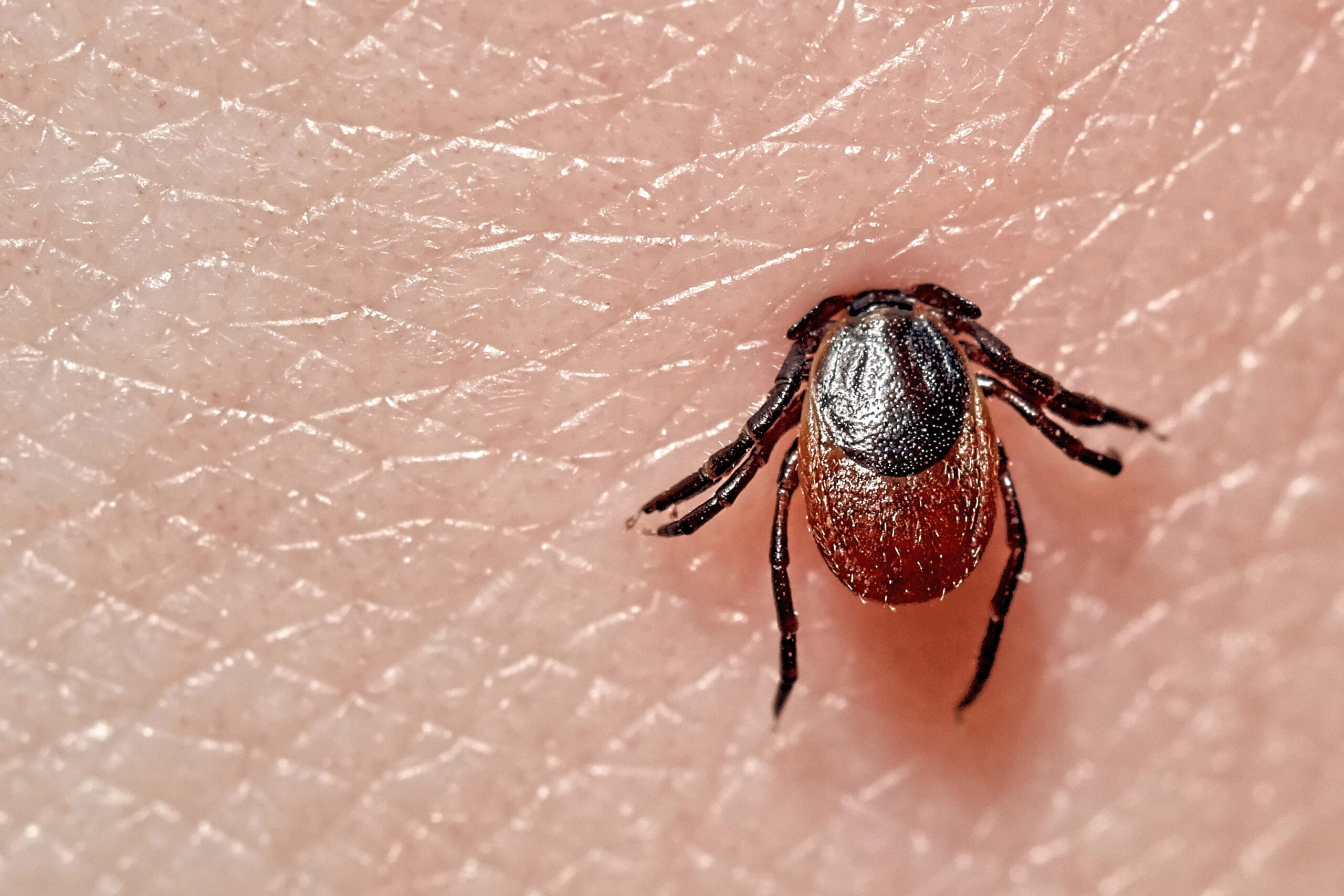
A Vaccine That Works Inside the Tick
LB6V stimulates the human immune system to produce antibodies against a bacterial surface protein known as OspA. When a tick feeds on a vaccinated person, it ingests those antibodies along with the blood meal. The antibodies then bind to the bacteria inside the tick, preventing them from migrating into the host.
This mechanism blocks transmission before infection begins, making it a preemptive strategy rather than a defensive one. “It’s been a generation since we’ve had a Lyme vaccine that’s been approved in the U.S.,” said Nicholas Mantis, an immunologist at the New York State Health Department. “These results from Pfizer and Valneva are promising.”
Clinical Performance and Practical Constraints
The vaccine’s reported 70 percent efficacy aligns closely with that of earlier OspA-based vaccines. However, its performance comes with important caveats.
The clinical trial enrolled fewer participants who ultimately developed Lyme disease than expected, meaning the study did not meet its primary statistical endpoint. Regulatory agencies will now assess the full dataset before determining whether the vaccine can move forward.
There are also practical considerations. Full protection requires a four-dose schedule administered over roughly 18 months, followed by potential booster shots to maintain high antibody levels. These requirements could influence uptake.
Building on Previous Vaccine Designs
LB6V reflects careful refinement of earlier vaccine designs. The original LYMErix vaccine also targeted OspA but included a protein segment that was suspected, though never definitively proven, to contribute to autoimmune reactions.
To mitigate that risk, developers removed the potentially problematic region from the new formulation. At the same time, researchers recognize limitations inherent to the OspA approach. The targeted protein is present only when the bacteria reside inside ticks. Once the bacteria enter a human host, OspA disappears from the surface, leaving any escaping organisms beyond the reach of vaccine-induced antibodies.
This constraint has driven interest in next-generation vaccines that combine OspA with additional bacterial targets, enabling immune responses both before and after transmission.
Expanding the Arsenal Against Lyme Disease
The vaccine effort is part of a broader push to combat Lyme disease through multiple strategies. Some researchers are exploring passive immunization, which could be achieved by administering lab-produced antibodies that provide immediate protection for an entire tick season. Others are targeting the disease at its ecological source. One such approach targets wild mice, which are key reservoirs for the bacteria. When mice consume bait containing oral vaccines, ticks in the environment are less likely to become infected. Field studies support this concept. Areas with vaccinated mouse populations show significantly lower rates of infected ticks over time, reducing the likelihood of human exposure.
A New Chapter in Lyme Prevention
LB6V is not a standalone solution. It will not eliminate Lyme disease, and it does not protect against other tick-borne pathogens. Preventive behaviors, such as repellents, tick checks and protective clothing, remain essential.
Still, the vaccine marks a significant step forward. By targeting transmission at its earliest point, it introduces a novel layer of defense and one that complements existing strategies rather than replacing them.
If approved, LB6V could help reduce infection rates in high-risk populations and renew momentum in a field that has seen decades of stalled progress. Combined with ecological interventions and next-generation vaccine designs, it points toward a future where Lyme disease is not only treatable, but increasingly preventable.
Did you enjoy this blog post? Check out our other blog posts as well as related topics on our Webinar page.
QPS is a global, full-service, GLP/GCP-compliant contract research organization (CRO) delivering the highest grade of discovery, bioanalysis, preclinical and clinical drug development services. Since 1995, QPS has grown from a small bioanalysis shop into a full-service CRO with 1,200+ employees in the US, Europe, Asia and India. Today, QPS offers expanded pharmaceutical contract R&D services with special expertise in pharmacology, DMPK, toxicology, bioanalysis, translational medicine, PBMC processing, central safety labs, clinical trials, and clinical research services. An award-winning leader focused on bioanalysis and clinical trials, QPS is known for proven quality standards, technical expertise, a flexible approach to research, client satisfaction, turnkey laboratories, Phase I/II clinical units, and multi-site clinical research services. Through continual enhancements in capacities and resources, QPS stands tall in its commitment to delivering superior quality, skilled performance, and trusted service to its valued customers. For more information, visit www.qps.com or email info@qps.com.