



Memory loss is often viewed as an unavoidable consequence of aging. However, research published in Alzheimer’s & Dementia challenges that assumption by examining a group of adults known as SuperAgers, individuals aged 80 and older whose memory performance matches that of people 20 to 30 years younger.
Researchers at Northwestern University have spent 25 years studying this group of people to understand why some brains remain remarkably resilient in advanced age. Their findings suggest that SuperAgers represent a distinct biological phenotype, one that may provide valuable clues for preserving cognition and reducing Alzheimer’s disease risk.
To qualify as a SuperAger, participants had to be at least 80 years old, have at least average scores on cognitive tests, and recall at least 9 of 15 words on a delayed memory test, a score considered average for adults in their 50s and 60s. Typical adults over age 80 recall about five words. Since the program began in 2000, researchers have followed 290 participants through cognitive testing, brain imaging and postmortem analyses.
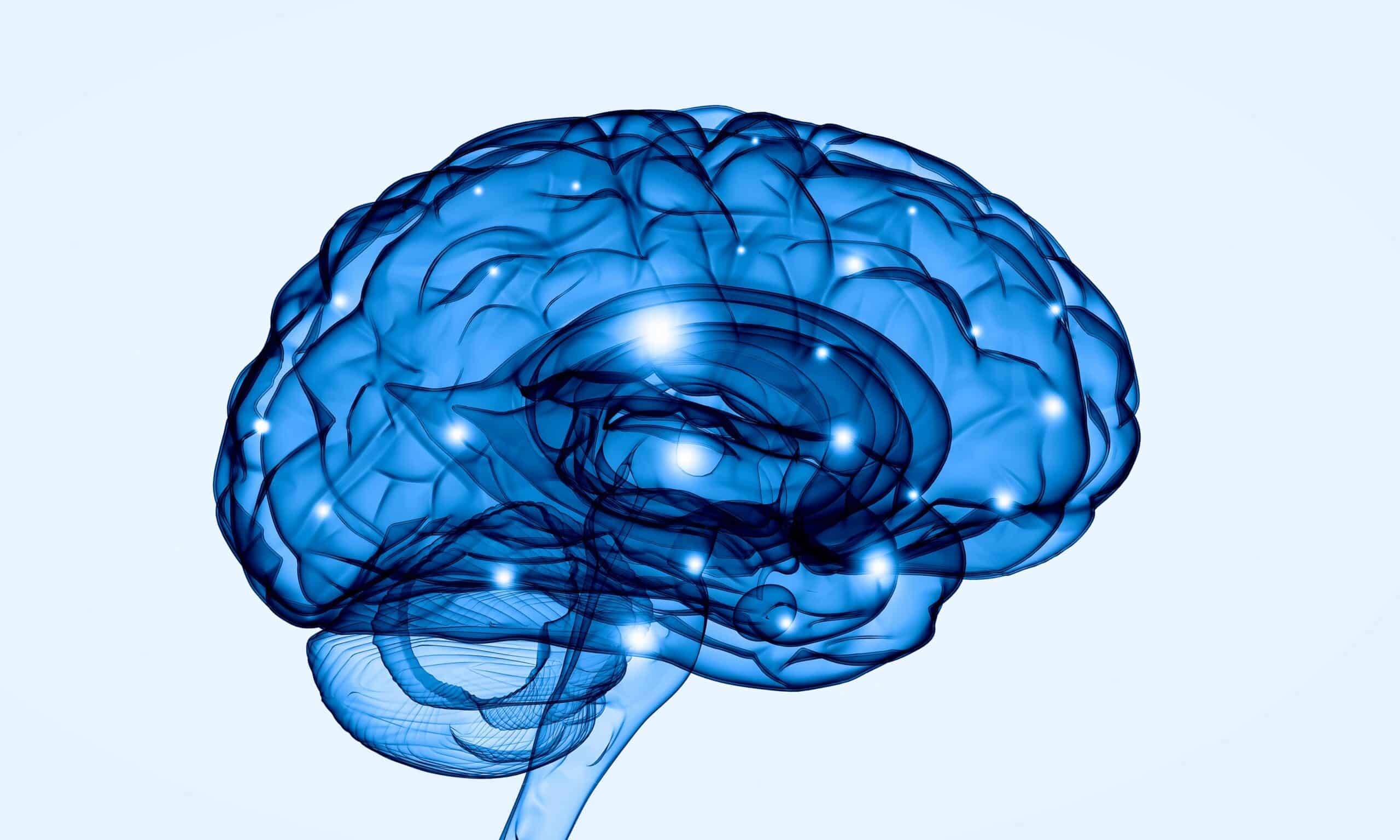
Brains That Resist Aging
Neuroimaging studies revealed one of the program’s most striking findings. While cognitively normal older adults typically experience widespread cortical thinning, SuperAgers showed cortical volumes comparable to those of adults decades younger. Researchers also identified a region within the anterior cingulate cortex that was thicker than the same region in healthy middle-aged adults.
The anterior cingulate plays important roles in attention, motivation, emotional regulation and social behavior. Interestingly, many SuperAgers were also highly social and reported strong interpersonal relationships. Researchers found no single lifestyle pattern that consistently predicted SuperAging. Some participants followed conventional healthy aging advice, while others did not. Social engagement emerged as one of the few common characteristics.
Longitudinal imaging suggested that SuperAgers do experience brain aging, but at a substantially slower rate than their cognitively average peers. These findings indicate that age-related structural decline may be delayed rather than inevitable.
Two Paths to Cognitive Resilience
Postmortem brain donation studies provided additional insight into the biology of exceptional memory. Researchers examined 77 donated SuperAger brains and found that many contained fewer Alzheimer’s disease-related neurofibrillary tangles than age-matched peers. Some SuperAgers, however, maintained outstanding cognition despite the presence of pathology associated with Alzheimer’s disease.
“What we realized is there are two mechanisms that lead someone to become a SuperAger,” said Sandra Weintraub, the paper’s corresponding author and professor of psychiatry and behavioral sciences and neurology at Northwestern University Feinberg School of Medicine. “One is resistance: they don’t make the plaques and tangles. Two is resilience: they make them, but they don’t do anything to their brains.”
Additional biological differences distinguished SuperAgers from cognitively average older adults. Their brains contained larger entorhinal neurons involved in memory processing, fewer inflammatory microglial cells and greater densities of specialized von Economo neurons, which have been associated with social cognition and complex interpersonal behavior. Researchers also observed evidence of better-preserved cholinergic pathways, a neural system critical for learning and memory.
Implications for Alzheimer’s Disease Research
The SuperAging program demonstrates that exceptional memory in late life is accompanied by measurable biological differences. Researchers are now investigating genetic factors that may contribute to these protective effects and could eventually serve as therapeutic targets.
“Our findings show that exceptional memory in old age is not only possible but is linked to a distinct neurobiological profile. This opens the door to new interventions aimed at preserving brain health well into the later decades of life,” Weintraub said.
For drug developers and clinical researchers, SuperAgers offer a valuable model for understanding cognitive resilience. Identifying the biological mechanisms that preserve memory may help guide future biomarker development, preventive strategies and therapies designed to delay cognitive decline and promote healthy brain aging.
Did you enjoy this blog post? Check out our other blog posts as well as related topics on our Webinar page.
QPS is a global, full-service, GLP/GCP-compliant contract research organization (CRO) delivering the highest grade of discovery, bioanalysis, preclinical and clinical drug development services. Since 1995, QPS has grown from a small bioanalysis shop into a full-service CRO with 1,200+ employees in the US, Europe, Asia and India. Today, QPS offers expanded pharmaceutical contract R&D services with special expertise in pharmacology, DMPK, toxicology, bioanalysis, translational medicine, PBMC processing, central safety labs, clinical trials, and clinical research services. An award-winning leader focused on bioanalysis and clinical trials, QPS is known for proven quality standards, technical expertise, a flexible approach to research, client satisfaction, turnkey laboratories, Phase I/II clinical units, and multi-site clinical research services. Through continual enhancements in capacities and resources, QPS stands tall in its commitment to delivering superior quality, skilled performance, and trusted service to its valued customers. For more information, visit www.qps.com or email info@qps.com.