

In 2025, the U.S. Food and Drug Administration (FDA) announced that it would phase out animal testing in the development of monoclonal antibody therapies and other drugs, moving instead toward “more effective, human-relevant methods.” This year, the agency took the first big step: issuing draft guidance intended to help drug developers validate new approach methodologies (NAMs) that would eventually largely replace animal testing in drug development.
The draft guidance, issued in March of this year, marks a major milestone in the implementation of what the FDA has called its “Roadmap to Reducing Animal Testing in Preclinical Safety Studies.” Read on for more information on the draft guidance, which U.S. Health and Human Services Secretary Robert F. Kennedy Jr. described in the release as part of the agency’s commitment to “replace animal testing with human-relevant” methods.
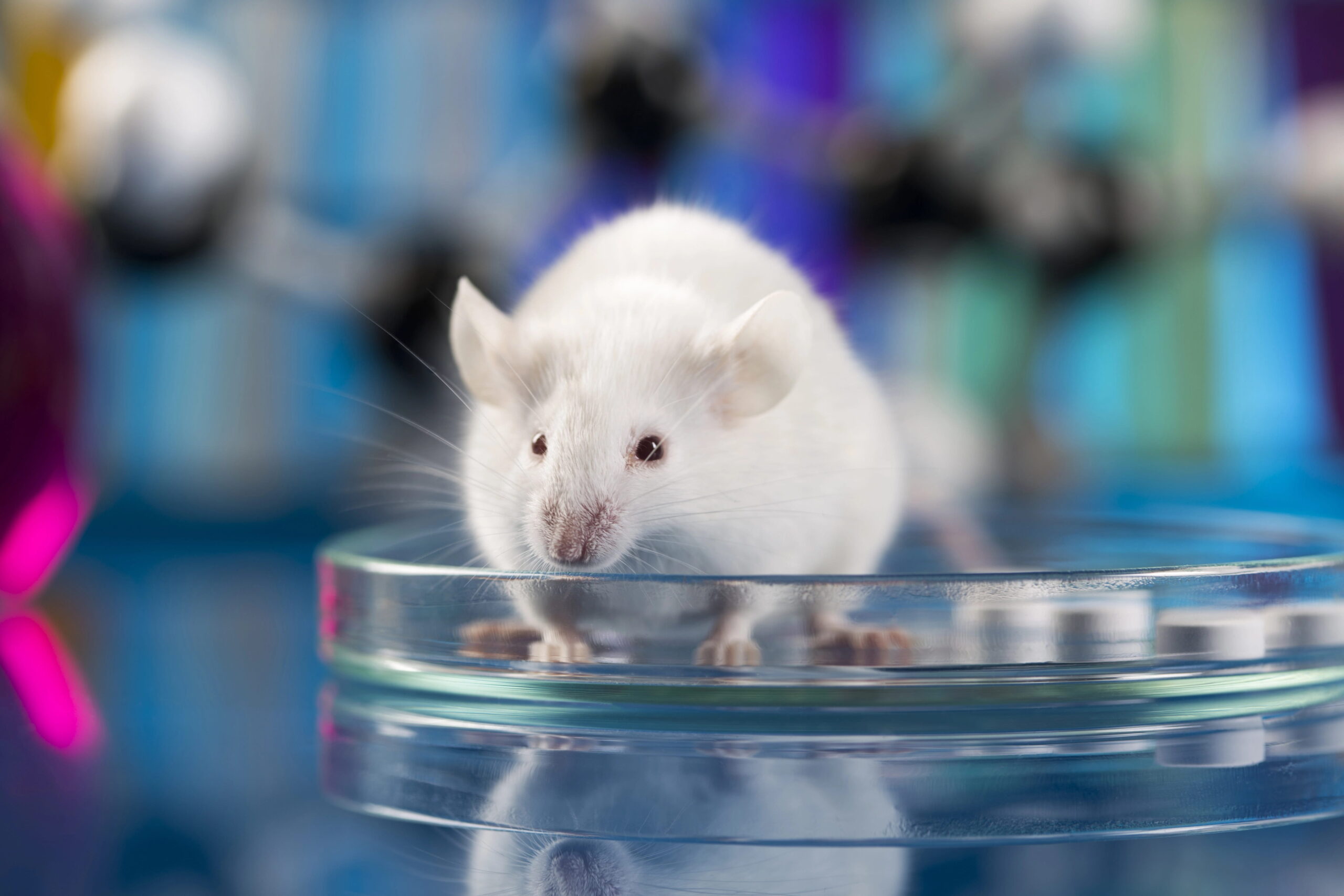
NAM Guidance Proposes Path Away from Animal Testing
The March 2026 draft guidance is far from the first FDA communication regarding reducing drug developers’ reliance on animal testing. For example, another announcement released in December 2025 recommended reducing non-human primate testing for certain monoclonal antibodies in a step toward “modernizing nonclinical drug evaluation.”
The agency has also issued several statements emphasizing what it considers the benefits of moving toward more “human-relevant methods.” In its initial 2025 announcement regarding the gradual animal testing phase-out, the FDA cites the appeal of tech-driven methods, including computer modeling and artificial intelligence, to predict a drug’s behavior. The announcement also cited the use of lab-grown human organoids, which “can reveal toxic effects that could easily go undetected in animals,” per the announcement.
How, then, do drug developers devise a framework for these methods? The March 2026 draft guidance offers concrete recommendations developed by the agency’s in-house Center for Drug Evaluation and Research (CDER). The guidance focused specifically on tangible new approach methodologies (NAMs) and what they might mean for drug developers moving forward.
New NAM Validation Principles
Nonclinical pharmacology and toxicology data are essential to establish the safety of investigational drugs before they proceed to clinical trials. The FDA’s latest draft guidance explores ways for NAMs to demonstrate reliability and scientific validity without the use of animal subjects. This includes four core validation principles:
- Context of Use: The FDA requires a “clear definition of NAMs’ intended regulatory purpose.”
- Human Biological Relevance: Developers must demonstrate “how NAMs can assess toxicity.”
- Technical Characterization: Developers should establish “scientific confidence” via “robust, reliable, and reproducible methods.”
- Fit-for-Purpose: Developers must provide “assurance that NAMs help in regulatory decision-making,” including drug review.
In practice, NAMs might include three-dimensional models such as organoids, chemical reactivity studies, or the aforementioned advanced computer simulations, all designed to test safety in human subjects.
The Changing Tide of Drug Development
The FDA announcement is potentially quite significant for U.S. drug development. Still, the announcement is draft guidance, explicitly defined by the FDA as nonbinding. In other words, nothing is changing immediately. Moving forward, however, drug development companies will need to integrate “human-relevant” evidence into a coherent regulatory package. To prepare, developers could begin focusing on what the FDA defines as more “human-relevant” pre-clinical stages. This could mean greater investment in organoids, for example, or the exploration of innovative uses of artificial intelligence.
_____
In the immediate future, NAM validation, reproducibility, technical characterization, and regulatory acceptance may remain significant hurdles. However, the FDA’s continued movement away from animal testing should be at the forefront of every drug developer’s strategy.
QPS is a global, full-service, GLP/GCP-compliant contract research organization (CRO) delivering the highest grade of discovery, bioanalysis, preclinical and clinical drug development services. Since 1995, QPS has grown from a small bioanalysis shop into a full-service CRO with 1,200+ employees in the US, Europe, Asia and India. Today, QPS offers expanded pharmaceutical contract R&D services with special expertise in pharmacology, DMPK, toxicology, bioanalysis, translational medicine, PBMC processing, central safety labs, clinical trials, and clinical research services. An award-winning leader focused on bioanalysis and clinical trials, QPS is known for proven quality standards, technical expertise, a flexible approach to research, client satisfaction, turnkey laboratories, Phase I/II clinical units, and multi-site clinical research services. Through continual enhancements in capacities and resources, QPS stands tall in its commitment to delivering superior quality, skilled performance, and trusted service to its valued customers. For more information, visit www.qps.com or email info@qps.com.